Beyond the Souks: 8 Authentic Local Experiences Only a Private Guide Can Unlock in Morocco
Every traveler arrives in Morocco dreaming of an authentic Morocco experience—the aroma of freshly baked flatbread drifting down a sunlit alley, unhurried conversation over mint tea in a mountain village, or watching a master craftsperson shape centuries-old geometric tilework by hand. Yet without the right local introduction, it is surprisingly easy to skim only the surface of busy souvenir lanes and pre-packaged group stops.
If you have ever wondered is a private guide worth it in Morocco, the difference goes far beyond navigation. Below, we explore how to avoid tourist traps in Morocco and share eight deeply memorable unique things to do in Morocco that thrive on personal connection, cultural respect, and thoughtful Morocco cultural tours.
Why Private Local Guiding Transforms Your Trip
Morocco is a country built on personal hospitality and layered dialects—Darija (Moroccan Arabic), Tashelhit and Tamazight (Amazigh languages), French, and Spanish. Traveling with a dedicated private guide in Morocco turns closed doors into warm invitations. Instead of peering into a workshop from the doorway or feeling pressured inside commission-heavy showrooms, your guide translates stories directly from artisans, village elders, and family cooks who rarely interact with large tour groups.
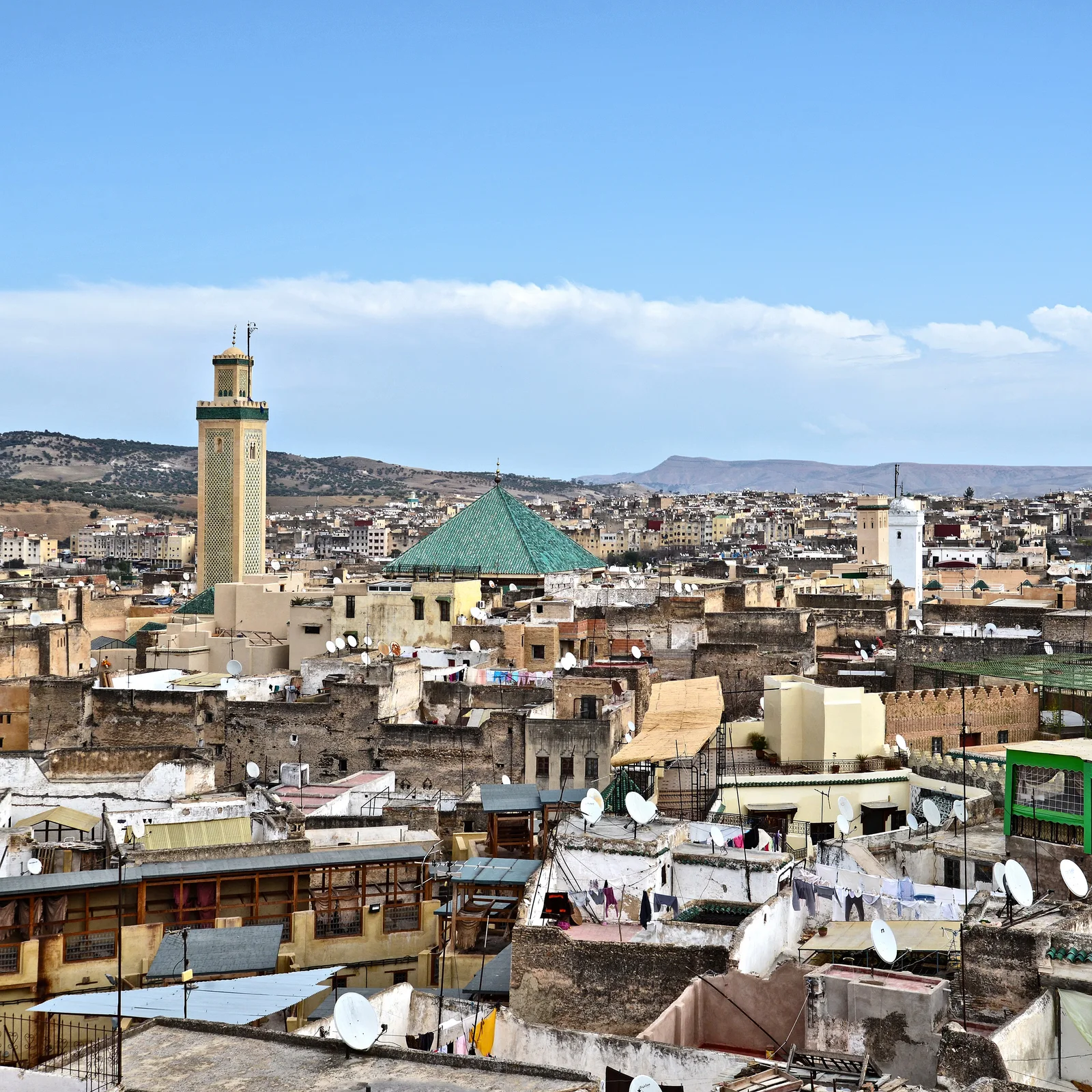
Equally important is cultural context. A seasoned historian or local driver-guide explains why a courtyard fountain sits at the entrance of a historic neighborhood, how ancient mountain irrigation systems divide glacier water fairly among village farms, and when a quiet alley comes alive with neighborhood life—giving you rich authentic local experiences in Marrakech and Fes while leaving the crowds completely behind.
8 Authentic Experiences to Build Into Your Itinerary
Whether you are embarking on our 7-day private Morocco itinerary from Marrakech to Fes, planning a family-paced Morocco journey with children, or enjoying one of our short 3- to 4-day private escapes from Marrakech, any of these eight cultural encounters can be woven seamlessly into your route.
1. Traditional Mint Tea & Lunch with an Amazigh Family in the High Atlas
Just ninety minutes south of Marrakech, stone-and-earth Amazigh villages cling to walnut-shaded terraces beneath Mount Toubkal. Through long-standing family friendships in valleys such as Imlil, Ourika, and Ouirgane, a private guide can arrange a genuinely warm afternoon visit inside a local home. Watch fresh mint tea poured from height alongside warm barley bread, homemade olive oil, and slow-simmered clay-pot tagine shared on a sunlit rooftop overlooking terraced orchards—an encounter no coach tour can ever enter.
2. Visiting Multi-Generational Zellige & Pottery Workshops in Fes
Fes remains the beating heart of traditional Moroccan decorative arts. Rather than browsing imported trinkets, step behind the scenes with a private specialist into family kilns outside the medina walls where clay harvested from nearby hills is soaked, thrown on foot-powered wheels, glazed in cobalt and emerald pigments, and fired with olive-pit fuel. Watch master maâlems hand-chisel tiny geometric zellige mosaic stars with razor precision—and assemble intricate patterns upside-down purely from memory.
3. A Private Market-to-Table Moroccan Cooking Class
Moroccan cuisine rewards patience and balance—preserved lemons, saffron threads from Taliouine, roasted cumin, fresh cilantro, and warm cinnamon. On a private market-to-table cooking experience in Marrakech, Fes, or Essaouira, you first stroll neighborhood produce stalls alongside a local chef (or dada, traditional master cook) to select seasonal vegetables, olives, and spices. Back inside a peaceful courtyard kitchen, you prepare classic dishes—such as chicken tagine with preserved lemon, smoky zaalouk eggplant salad, and warm semolina bread—before sitting down together to enjoy your feast.
5. Late-Afternoon Street Food Walks in Marrakech or Fes
Some of Morocco’s most delicious flavors never appear on formal restaurant menus. As afternoon heat softens into golden hour, join a knowledgeable food guide through neighborhood lanes known primarily to residents. Taste slow-roasted tanjia sealed in earthen urns buried inside hammam furnace embers, crispy stuffed msemen griddle breads, spiced lentil harira soup, freshly squeezed sugarcane juice, and honey-drenched chebakia—with full confidence in clean, trusted stalls with rapid local turnover.
6. Private Desert Music & Storytelling Around the Campfire
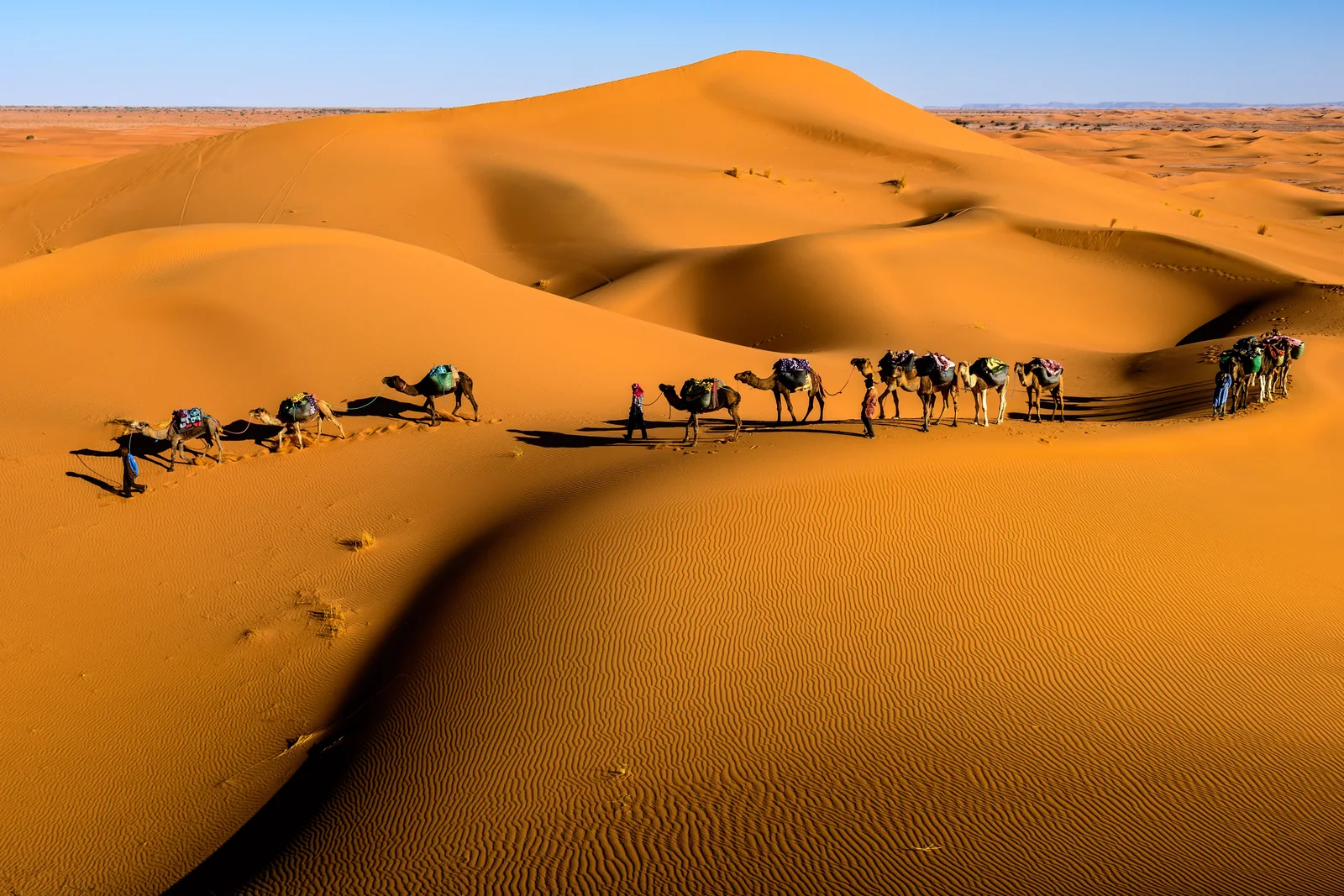
Near the golden slopes of Erg Chebbi lies the small desert village of Khamlia, home to descendants of sub-Saharan communities who preserve the hypnotic spiritual rhythms of Gnaoua music. Spending an unhurried hour sipping sweet mint tea while musicians play iron qraqeb castanets and deep three-stringed guembri lutes offers a deeply moving window into southern Moroccan heritage. Later that night around your desert camp fire, local Amazigh cameleers share Saharan folk songs and desert astronomy beneath an unpolluted night sky.
7. Meeting Women’s Argan & Saffron Cooperatives
Along the sunlit Atlantic road toward Essaouira and across the High Atlas foothills, genuine women-run cooperatives preserve traditional cold-pressed argan oil production, while mountain villages near Taliouine harvest delicate crimson saffron threads by hand each autumn. A discerning private driver knows the difference between roadside souvenir traps and authentic community-owned cooperatives—allowing you to observe traditional stone-grinding, taste nutty culinary argan oil with warm bread and almond amlou, and directly support rural women’s financial independence.
8. Golden-Hour Walks Through Quiet Medina Neighborhoods
Step just three streets away from the major bazaar arteries in Marrakech or Fes and the noise fades into everyday Moroccan community life. Every historic quarter (derb) is anchored by five traditional pillars: a neighborhood mosque, a Quranic school, a carved tile water fountain, a local hammam bathhouse, and a wood-fired communal bread oven (ferran). Walking these serene residential alleys in late afternoon—watching children carry wooden trays of family dough to the baker—reveals the living architectural genius of historic Moroccan cities.
Responsible Travel & Cultural Etiquette
Meaningful cultural travel is always a two-way exchange built on curiosity and respect. Keeping a few simple local customs in mind deepens every interaction across Morocco:
- Always Ask Before Photographing People: Moroccans are wonderfully warm, yet many rural residents and artisans prefer not to appear in close-up portraits without consent. A friendly smile, a quick question (or asking your guide to translate), goes a long way.
- Support Artisans Directly: When purchasing rugs, ceramics, brassware, or spices, remember that polite negotiation is a friendly social ritual—never an argument—and paying a fair price directly to a craftsperson keeps multi-generational skills alive.
- Dress Comfortably & Respectfully: In historic medinas and mountain villages, breathable clothing that covers shoulders and knees keeps you cool under bright sun while signaling thoughtful respect for local culture.
- Fair Tipping for Local Teams: Tipping is warmly appreciated across Morocco for courteous service from local city guides, desert cameleers, riad porters, and private drivers—always at your discretion based on your experience.
How My Morocco Trips Protects Authenticity
We operate with a strict zero-pressure policy: our drivers and licensed guides never push forced shopping stops. Every artisan studio, family lunch, or cooperative visit is included purely because it matches your genuine curiosity.
Frequently Asked Questions
Do I need a licensed city guide in addition to a private driver?
Yes—and understanding the distinction enhances your entire trip. In Morocco, professional tourism drivers are licensed to transport you across highways, valleys, and mountain passes while sharing regional heritage along the road. Inside historic imperial medinas such as Marrakech, Fes, Rabat, and Volubilis, Moroccan regulations require a separately licensed local city guide to accompany visitors on foot through monuments and alleys. At My Morocco Trips, we seamlessly pair your private driver with handpicked, engaging local historian guides in the cities where deep storytelling matters most.
Can my private guide customize stops around food allergies or special interests?
Absolutely. Whether someone in your party is vegetarian, gluten-free, dairy-free, or allergic to nuts—or whether you are passionate about Islamic architecture, botanical gardens, textiles, photography, or Amazigh music—we brief both your driver and local city guides in advance so every meal, workshop, and neighborhood walk is tailored seamlessly to you.